
When the Whole Mohalla Watched One TV
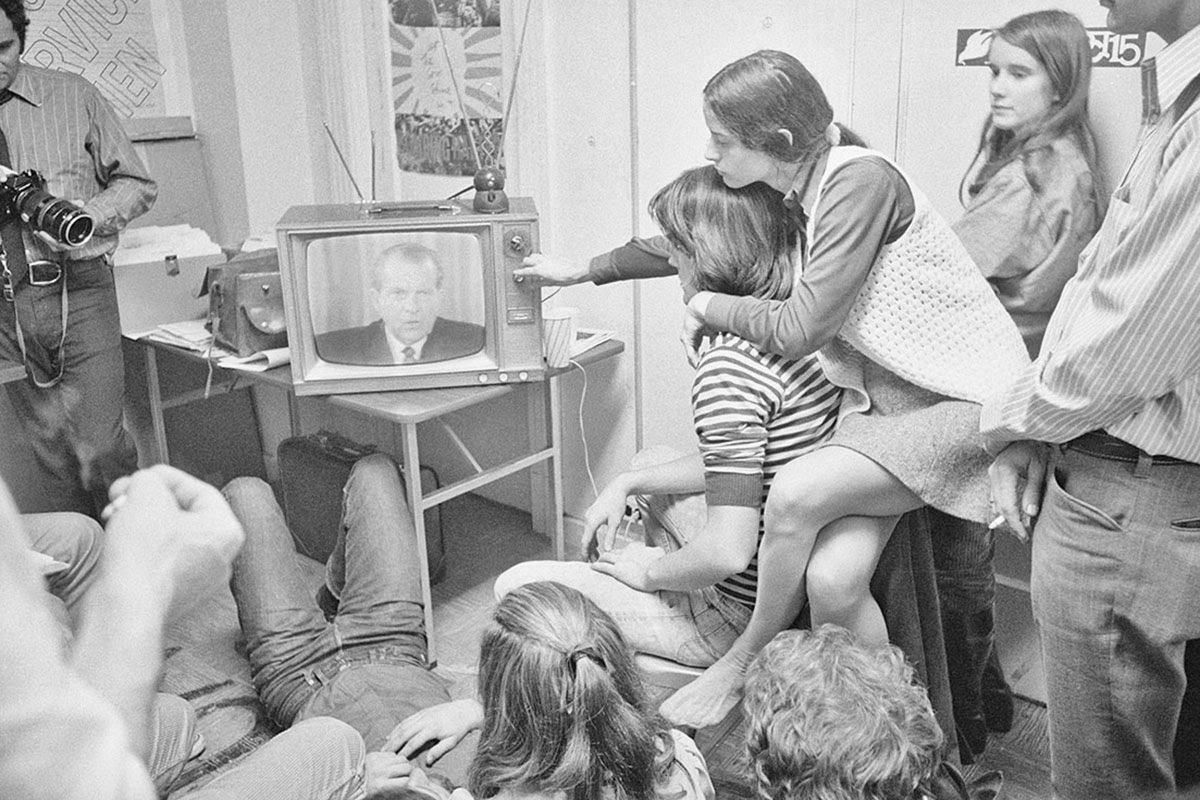
In 1969, the world watched America land on the moon — 650 million people, eyes glued to small black-and-white television sets.
I wasn’t there for that historic moment, but I often imagine what it must have felt like… one entire planet holding its breath together, watching a grainy image of a man taking slow, shaky steps on a distant world.
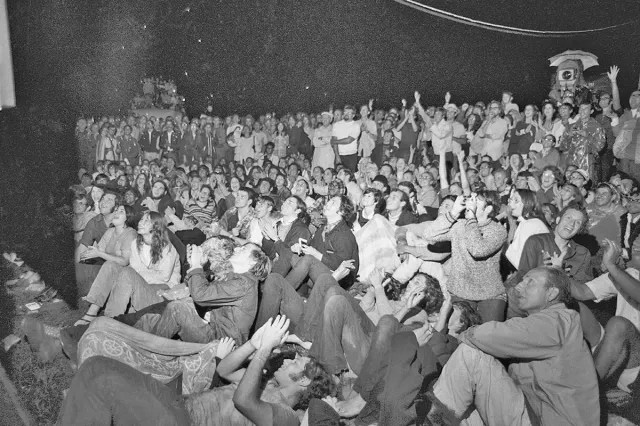
My own “TV moment” came many years later, in 1982, during the Asian Games in India.
We didn’t have a TV at home back then. In fact, in our entire neighborhood, only one family had managed to buy a television set. It was a small black-and-white TV, maybe 12 inches at best, sitting proudly in their living room like a VIP guest.
Every evening, as the Asian Games broadcast started, something magical happened.
The whole mohalla came alive.
People would begin drifting towards that one house — kids first, running ahead, followed by parents, uncles, aunties, and grandparents. The lucky few squeezed into the living room. The rest stood outside, peeking through doors and windows, craning their necks just to catch a glimpse of the screen.
Inside, someone would always be adjusting the antenna. And of course, there was that one person permanently “posted” on the roof, hanging on to the antenna and twisting it left-right based on the instructions shouted from below:
“Bas, bas, bas — ab thik hai!”
“Arey, ab to aur kharab ho gaya!”
Sometimes a kid got promoted to “antenna duty” and would proudly stand on the terrace, half technician, half hero. And when the picture became even slightly clearer, everyone reacted as if India had just won a gold medal.
No one talked about HD, 4K, surround sound, or WiFi.
We didn’t know what “screen resolution” was.
What we had was something else:
Togetherness. Curiosity. Wonder.
That little TV turned into a community event. The commentary from inside the room was often louder and more entertaining than the official commentator. Every good move by an Indian player was celebrated with claps, whistles, and instant analysis by self-appointed “experts” in the room.
Even the snacks were community-driven. Someone brought tea. Someone else brought biscuits. Kids would sneak in namkeen or peanuts. The host family’s living room became a mini-stadium, newsroom, and picnic spot — all rolled into one.
Today, most homes don’t have one TV — they have multiple screens:
TVs, laptops, tablets, smartphones, and now smartwatches. Everyone in the family can watch their own show, in their own room, with their own headphones on.
Technology has evolved in ways we couldn’t even imagine in the 80s:
- From two Doordarshan channels to hundreds of satellite channels
- From community viewing to private streaming
- From waiting a week for a Sunday movie to on-demand content 24/7
- From black-and-white to colour, and now to ultra HD and VR
And now, we’re in the age of AI, where content doesn’t just entertain us — it can talk to us, guide us, and even create new content for us.
It’s incredible. It’s powerful.
But it also makes me think…
In this journey from one shared 12-inch TV to an entire universe of screens in our pockets —
What did we gain, and what did we quietly lose along the way?
We didn’t scroll past moments. We lived them.
We didn’t “consume content” — we shared experiences.
That one TV in the neighborhood was more than an electronic device.
It was a social glue.
Yours Kunal
Nation america in 1969 asian games india in 80s moon landing
Discover more from Baithak (Living Concert) by Kunal Jain
Subscribe to get the latest posts sent to your email.

Kunal Jain View All →
Welcome to my world of entrepreneurship, innovation, and social impact.
I am Kunal Jain, a social entrepreneur, mentor, and business leader who has spent the last two decades building and scaling businesses in the U.S. and India. After moving to the United States in 2003 with just a few hundred dollars, I pursued the American Dream, establishing multiple successful ventures in Revenue Cycle Management (RCM), AI-driven healthcare, and entrepreneurship mentoring. Over the years, I have proudly created employment for hundreds of professionals across both countries.
Yet, my heart has always belonged to India. Born and raised in the culturally rich state of Rajasthan, I grew up watching my father, Kaushal Kishore Jain, a politician by profession and a social reformer by heart. His dedication to public service shaped my values, and in his memory, I authored my first book, A Philanthropist Without Money – Kaushal Ji, in 2019.
In 2023, I made the life-changing decision to return to India to carry forward my father’s philanthropic legacy. I now lead the Kaushalm Foundation, fostering entrepreneurship, healthcare innovation, and skill development among India’s youth. Through initiatives like the Aravali Hub, HealthPods, and Rapid Rajasthan Clinic, I am committed to empowering aspiring entrepreneurs, bridging the healthcare gap, and making a lasting impact.
Beyond business and philanthropy, poetry is my soul’s expression. My latest book, ‘Aabhas’, a collection of Hindi poetry, is deeply personal and named after my son. It reflects my journey, emotions, and observations of life, blending nostalgia, resilience, and introspection.
I am a lifelong learner—whether as an entrepreneur, mentor, father, or poet. My journey continues as I explore ways to merge technology with social good, ensuring that innovation reaches those who need it the most.
The name of my blog, ‘Baithak’, is a Hindi word symbolizing a gathering of minds—a place to exchange ideas, reflect, and inspire. I invite you to be part of this conversation.
Let’s build, innovate, and transform lives together!
