
My Heart Aches for India: When Negligence Kills Innocent Children
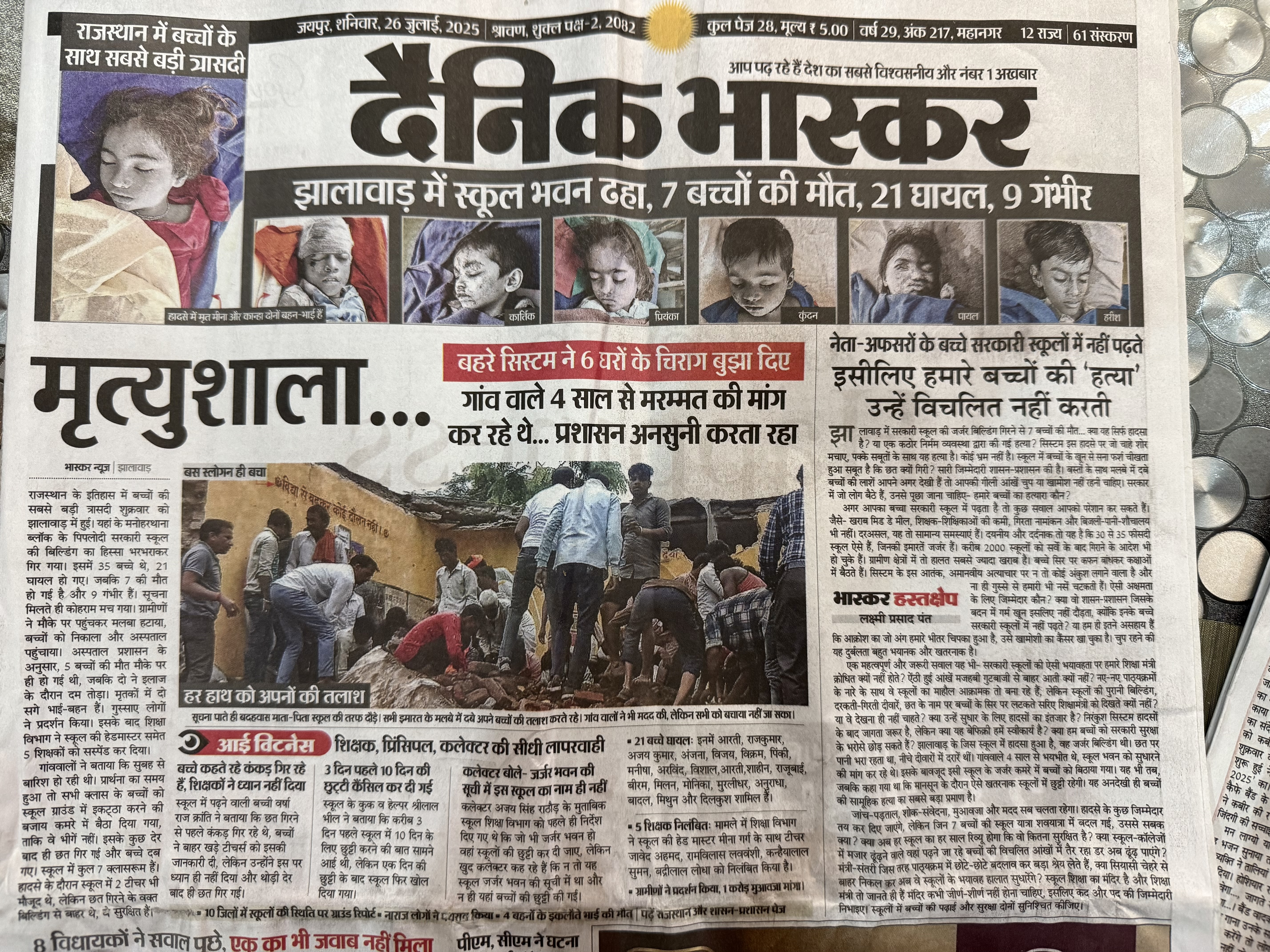
Today, my heart is heavy, burdened by news that, as an American citizen with roots in India, fills me with an overwhelming sense of shame and profound displeasure. Another government building has collapsed in India, and this time, it took the lives of innocent children – children who were simply trying to learn in a school that was supposed to be their safe haven. This isn’t just a news story; it’s a punch to the gut, a devastating reminder of a systemic rot that continues to plague a nation I once called home.
For 25 years, I’ve watched from afar, hoping for change, for progress. But when I see such preventable tragedies, I can’t help but ask: Who is truly responsible? My common sense, and frankly, my experience, tells me it’s not just the building or the rain. It’s the people – the very individuals who draw salaries to maintain these schools, to ensure the safety of these children – who are ultimately accountable. They don’t care. And that, more than anything, is what truly devastates me.
This isn’t just about a crumbling roof; it’s about crumbling human values, a society where indifference has become a dangerous norm. This blog post is my attempt to channel this extreme displeasure, to shine a light on the negligence, the corruption, and the profound lack of accountability that allows such horrors to unfold. It’s a call to action, because unless we demand change, these incidents will continue to be forgotten within a week, and India’s path to becoming a truly developed nation will remain tragically obstructed.
The Rajasthan Tragedy: A Personal Outcry Against Negligence
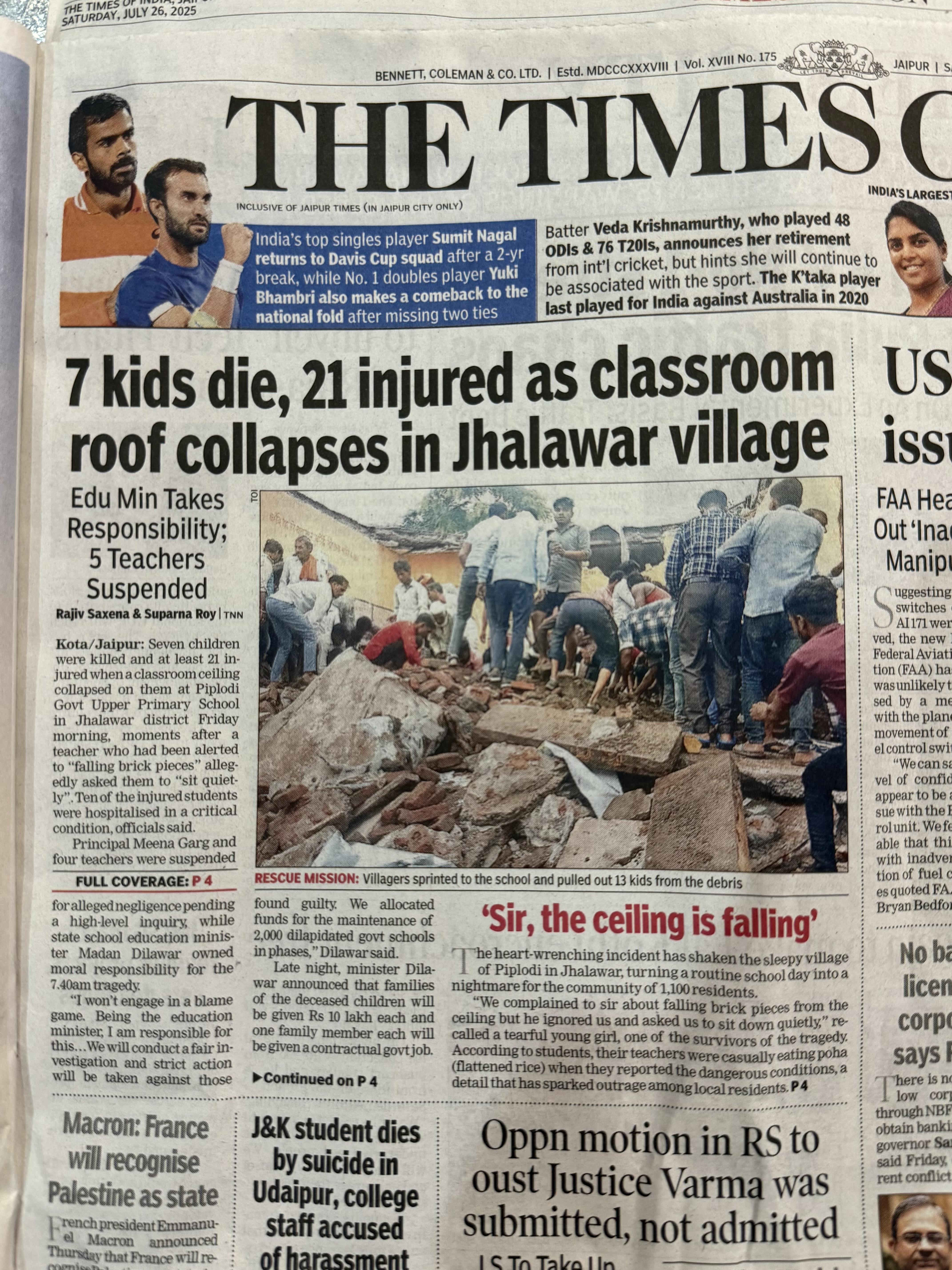
Just yesterday, on July 25, 2025, a government school building in Rajasthan, India, tragically collapsed. Seven children, seven innocent souls, lost their lives, and 20 others were injured. Can you even begin to imagine the terror, the chaos, the sheer helplessness of those moments? Thirty students were in that classroom when the roof caved in. Thirty lives, forever scarred or tragically ended, because someone, somewhere, didn’t do their job.
They say it was an old building, and heavy rainfall made it worse. Heavy rainfall? In a country that experiences monsoons every year? This isn’t an act of God; it’s an act of criminal negligence. It’s a failure of foresight, a failure of maintenance, and a failure of basic human decency. The Chief Minister has reportedly instructed that the injured receive proper treatment. Proper treatment? What about preventing this in the first place? What about the lives that are already lost? This isn’t just a statistic; these are children, someone’s children, whose futures were stolen by a crumbling structure and a crumbling system.
India’s Crumbling Infrastructure: A Reflection of a Corrupt and Negligent System
This Rajasthan tragedy isn’t an anomaly; it’s a horrifying symptom of a much larger disease that has infected India’s public infrastructure. We hear about massive budgets being allocated for development and grand plans for a new India. But what good are these plans when the very foundations are built on corruption and indifference? The causes of these collapses are sickeningly predictable:
- Substandard Materials, Stolen Futures: They cut corners. They use cheap cement, flimsy steel, and shoddy bricks. Why? Because the money meant for quality materials is siphoned off, lining the pockets of the corrupt. This isn’t just theft; it’s a direct assault on the safety of ordinary citizens, especially the most vulnerable.
- Unskilled Labor, Uncaring Oversight: The construction industry is rife with untrained workers, and even worse, a shocking lack of proper oversight. Who is checking? Who is ensuring that what’s being built is safe? It seems like nobody cares enough to truly monitor these projects.
- Overloaded Structures, Overlooked Dangers: Buildings are designed for a specific capacity, but unauthorized additions, such as extra floors or heavy equipment, are often made without considering the strain they put on the structure. And the authorities? They either don’t see it, or they choose not to. It’s a ticking time bomb, and we, the public, are the ones who pay the price.
- Regulatory Oversight? What Regulatory Oversight?: We have building codes, regulations, and guidelines. But they are mere words on paper if there’s no will to enforce them. Corruption and leniency are rampant. Officials, sitting comfortably in their air-conditioned offices, often fail to conduct thorough inspections. They turn a blind eye, or worse, they are complicit. This isn’t just negligence; it’s a betrayal of public trust.
- Poor Design, Poorer Accountability: Sometimes, the very design is flawed. Structural integrity is an afterthought, sacrificed for aesthetics or simply due to incompetence. And in smaller projects, qualified structural engineers are often bypassed entirely. Who is held accountable for these fundamental flaws? Rarely anyone.
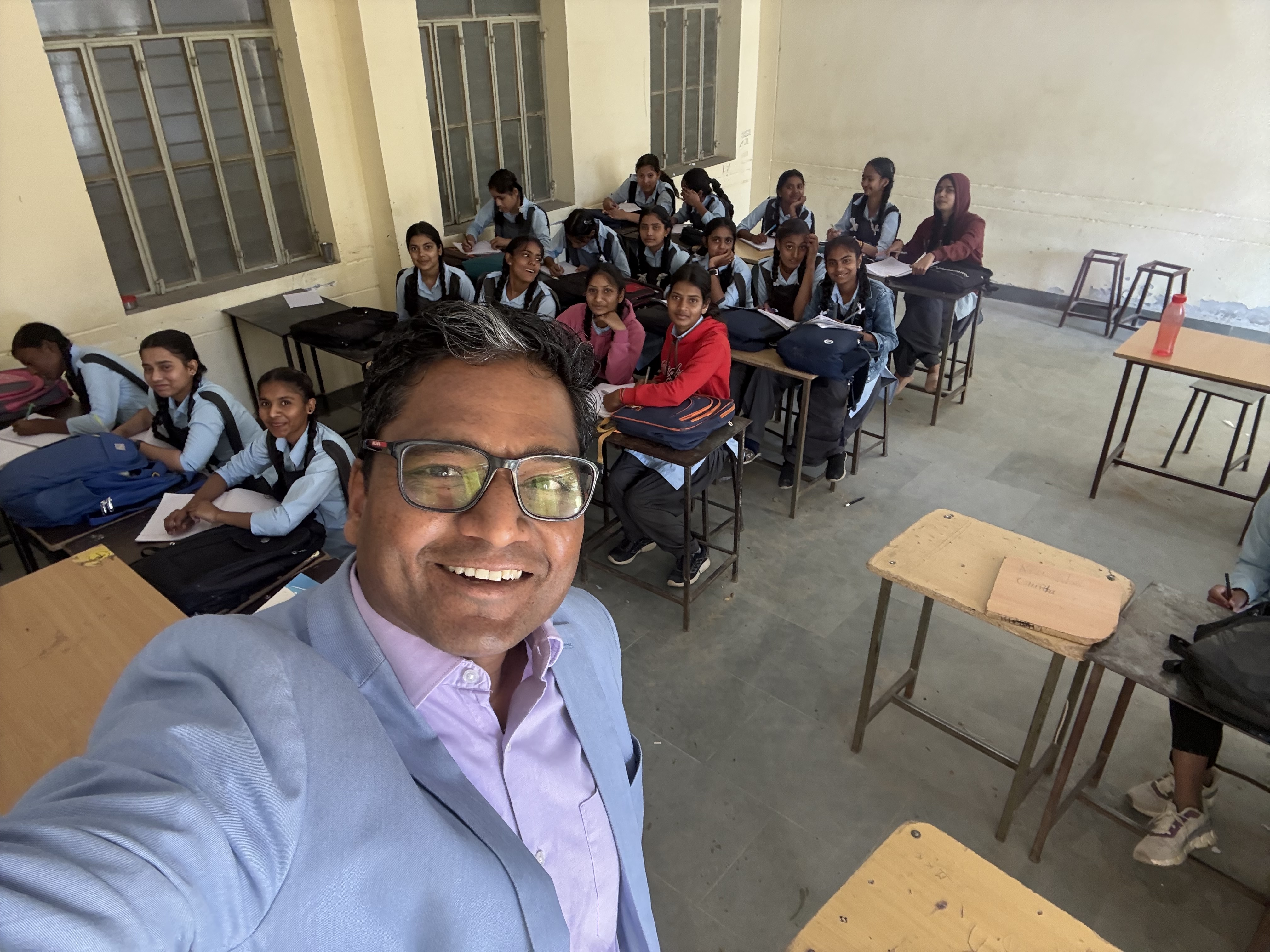
I recently visited a school in a nearby village, and the sight was infuriating. The roof was leaking rainwater, computers were pushed into a corner, and only one person was sitting under a relatively dry spot, working on a single computer and uploading data to receive government salaries. This is the kind of education they are offering here. This is how they operate in Rajasthan government schools, despite a substantial budget allocated to the Department of Education. It’s a farce, a cruel joke played on the future of these children.
This apathy, this blatant disregard for safety and quality, is a direct consequence of a system where nobody seems to care. The sentiment that ‘nobody cares’ resonates deeply when you see the deplorable conditions of public buildings, including schools, where leaking roofs and dilapidated structures are standard, even when substantial budgets are allocated for maintenance. This indifference, particularly from those drawing salaries for oversight, is a direct betrayal of public trust. They are paid to ensure safety and quality education, yet they fail, spectacularly and tragically.
Accountability and Governance: A Framework Undermined by Apathy and Corruption
The Ministry of Education has guidelines and clear directives on school safety and security. They outline who is responsible: the School Management, the Principal, the teachers, and the local administration. They discuss legal obligations and strategies for preventing incidents. But what good are guidelines when they are ignored? What good are laws when they are not enforced?
This is where the glaring loopholes and the profound negligence truly come into play. My recent visit to that village school, with its leaking roof and neglected computers, is not an isolated incident. It’s a microcosm of a larger problem. The very people who are paid to teach, to manage, to oversee – they don’t care. They collect their salaries, and the safety of the children and the quality of their education become afterthoughts. This negligence extends to every level:
- Monitoring and Reporting? A Joke! There’s a pervasive failure to monitor conditions, to report deficiencies. It’s not just an oversight; it’s a deliberate act of avoidance. Why report something that might require effort, or expose corruption?
- Bureaucratic Inertia: The AC Office Syndrome: Ministers who are supposed to inspect, bureaucrats assigned to monitor these buildings – where are they? They don’t even get up from their seats, from their air-conditioned offices. They fail to conduct proper inspections, they ignore reports, they turn a blind eye. This isn’t just a lack of action; it’s a deliberate choice to be indifferent.
- Suppression of Facts and Complicity: Information is concealed, and incidents are not reported. Why? To avoid scrutiny, to protect corrupt practices, to maintain the status quo of apathy. This complicity is a dagger in the heart of any hope for progress.
- Non-Compliance: A Way of Life: Safety guidelines and building codes are simply not followed. The National Building Code of India, 2004, mandates the construction of structurally sound school buildings. Yet, here we are, mourning children killed by a collapsing roof. This isn’t just a failure to comply; it’s a criminal disregard for human life.
And what about the School Management Committees (SMCs) and Parent Teacher Associations (PTAs)? They are supposed to be the watchdogs, the local eyes and ears. But if they are not empowered, if their voices are ignored, or if they too become part of the corrupt system, then these frameworks are nothing but paper tigers. The persistence of these tragedies, despite all the rules and regulations, screams of a system where corruption is rampant and accountability is a myth.
A Call for Urgent Action and Unwavering Accountability: This is Unpardonable!
This is not merely a matter of condemnation; it is a desperate, guttural cry for justice and concrete solutions. The diminishing human values, where an incident like this is forgotten within a week – even by the parents of the deceased children – is a terrifying prospect. This is why India will face a challenging time surpassing this point as a developed nation. You cannot build a strong future on crumbling foundations of corruption and indifference.
I am not just condemning; I am demanding. We need to make people accountable. We need to find out who all are the officers and people connected with this school, who were getting salaries, and who were responsible for its maintenance and safety. They should be immediately suspended, and criminal cases, including murder charges, must be filed against them. If this building were being maintained by any vendor, that vendor should be called for immediate arrest and made accountable. This is simply an unpardonable crime.
Unless the police take control and hold these individuals accountable, these issues will continue to arise, and nobody will take notice. We need a multi-pronged approach, and it needs to be implemented with an iron fist:
- Strict Enforcement of Building Codes and Criminal Charges: No more turning a blind eye. Rigorous implementation of construction standards, with severe penalties for non-compliance. And yes, criminal charges, including murder charges, for any official, contractor, or individual whose negligence or corrupt practices directly lead to loss of life. The police must take control and ensure accountability.
- Enhanced Regulatory Mechanisms and Active Monitoring: Bureaucrats, get out of your air-conditioned offices! Conduct regular, unannounced inspections. Those assigned to monitor these buildings must be held directly responsible for their condition. No more excuses, no more passing the buck.
- Empowering Local Accountability and Community Oversight: School Management Committees and Parent-Teacher Associations Need Real Power. They should be able to report deficiencies directly, and their concerns must be addressed promptly. Give them the authority to demand action.
- Investment in Maintenance and Upgrades with Transparent Audits: Every rupee allocated for maintenance must be accounted for. Transparent audits are non-negotiable; anyone found to be misappropriating funds must face severe repercussions.
- Promoting a Culture of Safety and Zero Tolerance for Negligence: We need a fundamental shift in mindset. Safety must be paramount, from design to daily operations. There must be a zero-tolerance policy for negligence, with immediate suspension and a criminal investigation for anyone found to be negligent in their duties.
This is not just about a building; it’s about the soul of a nation. The lives lost in Rajasthan are a painful reminder that proper development isn’t just about economic growth; it’s about valuing human life, ensuring safety, and upholding integrity. It’s a call to action for every single stakeholder – government, corporations, schools, and citizens – to rise up and demand a corruption-free society where accountability is not just a word, but a lived reality. Only then can India truly aspire to be a developed nation, where no child’s future is sacrificed to crumbling foundations and systemic neglect.
Yours sincerely
Kunal Jain
Nation children education environment history killing news politics rajadthan education rajasthan tragedy school tragedy technology
Discover more from Baithak (Living Concert) by Kunal Jain
Subscribe to get the latest posts sent to your email.

Kunal Jain View All →
Welcome to my world of entrepreneurship, innovation, and social impact.
I am Kunal Jain, a social entrepreneur, mentor, and business leader who has spent the last two decades building and scaling businesses in the U.S. and India. After moving to the United States in 2003 with just a few hundred dollars, I pursued the American Dream, establishing multiple successful ventures in Revenue Cycle Management (RCM), AI-driven healthcare, and entrepreneurship mentoring. Over the years, I have proudly created employment for hundreds of professionals across both countries.
Yet, my heart has always belonged to India. Born and raised in the culturally rich state of Rajasthan, I grew up watching my father, Kaushal Kishore Jain, a politician by profession and a social reformer by heart. His dedication to public service shaped my values, and in his memory, I authored my first book, A Philanthropist Without Money – Kaushal Ji, in 2019.
In 2023, I made the life-changing decision to return to India to carry forward my father’s philanthropic legacy. I now lead the Kaushalm Foundation, fostering entrepreneurship, healthcare innovation, and skill development among India’s youth. Through initiatives like the Aravali Hub, HealthPods, and Rapid Rajasthan Clinic, I am committed to empowering aspiring entrepreneurs, bridging the healthcare gap, and making a lasting impact.
Beyond business and philanthropy, poetry is my soul’s expression. My latest book, ‘Aabhas’, a collection of Hindi poetry, is deeply personal and named after my son. It reflects my journey, emotions, and observations of life, blending nostalgia, resilience, and introspection.
I am a lifelong learner—whether as an entrepreneur, mentor, father, or poet. My journey continues as I explore ways to merge technology with social good, ensuring that innovation reaches those who need it the most.
The name of my blog, ‘Baithak’, is a Hindi word symbolizing a gathering of minds—a place to exchange ideas, reflect, and inspire. I invite you to be part of this conversation.
Let’s build, innovate, and transform lives together!

Hi Jain
First of all I am so saddened, nay devastated, to see seven children lost their precious lives just because of the negligence of our administrative system, a tragedy that you rightly said, could have been prevented. And I appreciate your reporting it in the newspaper and thus bringing it to the attention of the general public.
At a time India is making rapid progress in every field and becoming the fourth among the most financially advanced nations in the world, this is inexcusable – a deep blow to our collective concience. Let us hope all those responsible for this tragedy will take steps to avoid such events in future. Thanks for such good reporting Jain.
Dr. Ravindra Nathan MD
LikeLiked by 1 person